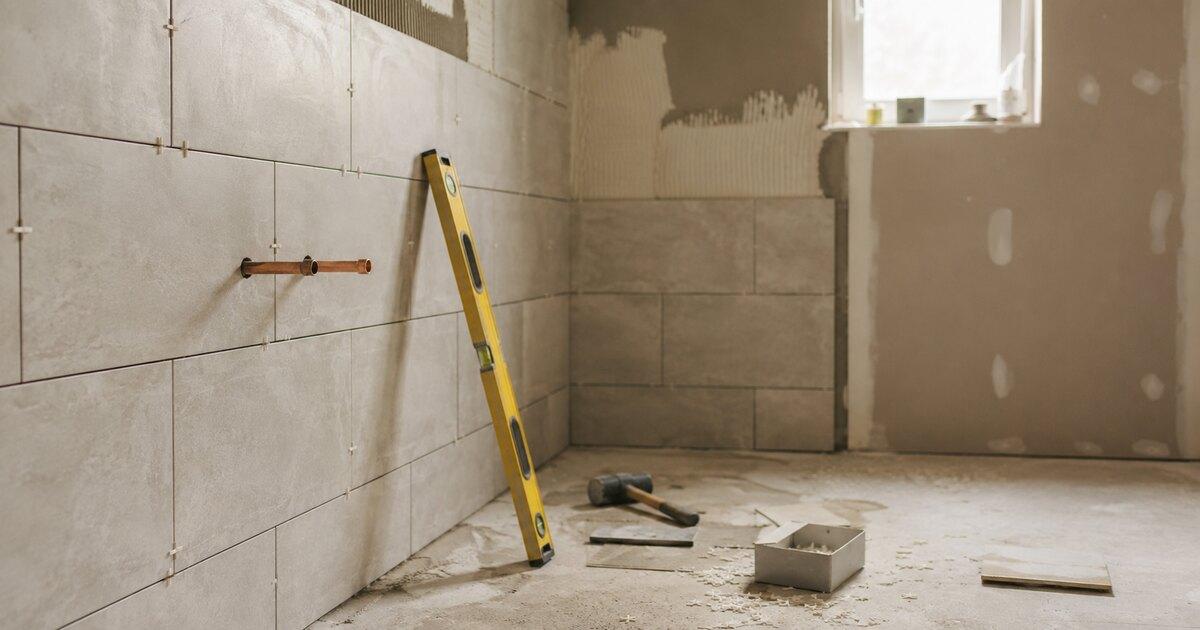
The bathroom packs more complexity per square meter than any other room in a home: pressurized water, drains that need slope, electricity in a wet environment, ventilation, waterproofing, and finishes that have to survive steam every day. That's why it's the remodel where budgets blow up most often.
Most of those overruns don't come from genuine surprises. They come from decisions made too late.
Define scope first, style second
Before browsing catalogs, decide which of these three levels you're actually at:
Level 1 — Cosmetic. Paint, new fixtures, mirror, accessories, maybe the vanity. No pipes or tile touched. Fastest and most predictable.
Level 2 — Finish renovation. New tile, sanitaryware, vanity and fittings, but existing drain and supply positions are respected. The best balance of result and cost.
Level 3 — Reconfiguration. The shower, toilet or sink moves. That means breaking the floor, re-running drains at the correct slope, and often redoing the waterproofing entirely. This is the one that multiplies the budget.
Moving a toilet one meter looks like a detail on a plan. On site, it's the most expensive change you can request.
The real order of trades
A bathroom gets rebuilt in a fairly rigid sequence, and knowing it helps you read any schedule you're handed:
- Demolition and debris removal
- Rough plumbing: relocating supply and drain points
- Rough electrical: lighting points, GFCI outlets, extractor fan
- Waterproofing the wet zone
- Leak testing before anything gets covered
- Tiling floor and walls
- Installing sanitaryware and fittings
- Carpentry: vanity, door, mirror
- Paint and perimeter sealing
- Final clean and inspection
Step 5 is the most commonly skipped and the most expensive to skip. Insist on it, and ask to be told when it happens so you can see it.
Budget: the buffer rule
Set aside an extra 15% to 20% on top of the agreed budget. That isn't pessimism — in a bathroom, you don't know what's behind the wall until you demolish. Corroded galvanized pipe, a drain with insufficient fall, or pre-existing moisture in the subfloor are common finds in older construction.
Always ask that the quote separate materials from labor, and that it specify who buys what. It's the number one source of misunderstandings.
Decisions to settle before starting
Changing your mind mid-job costs money and time. Have these resolved in advance:
- Exact models of sanitaryware and fittings, because rough-in distances vary between models
- Tile format, since large-format pieces demand flatter substrates
- Shower type: sliding door, hinged, or walk-in with no door
- Outlet and light positions, including an outlet near the sink
- Extractor fan, which is what prevents mold two years later
- Recessed niches in the shower, which have to go in before waterproofing
The technical details that make the difference
Shower floor slope: it must be sufficient and uniform toward the drain. A poorly graded floor leaves permanent puddles.
Waterproofing that runs up the wall: treating the floor isn't enough. It should rise at least 20 cm across the whole wet zone, and to full shower height on that wall.
Movement joints: flexible silicone goes where floor meets wall, not rigid grout. Grout cracks with the material's natural movement.
Ventilation: an extractor ducted to the outside, not into a closed ceiling void.
Questions to ask each Helpper
Before deciding, ask: Does the price include debris removal? How many working days and how many workers? What warranty do you offer on the waterproofing? What happens if demolition reveals a problem in the existing pipework? Can I see photos of bathrooms you've done?
The answers to those five questions tell you more about a professional than the final figure.
Conclusion
A bathroom remodel that goes well was almost always decided on paper. Clear scope, respected sequence, and verified waterproofing are worth more than any catalog finish.
Post your project on HelpyHub and get comparable proposals from verified remodeling Helppers.